
Harmonic context
A percentage needs its voltage or current basis, location and operating state. The number alone is thin evidence.
Electrical measurement service
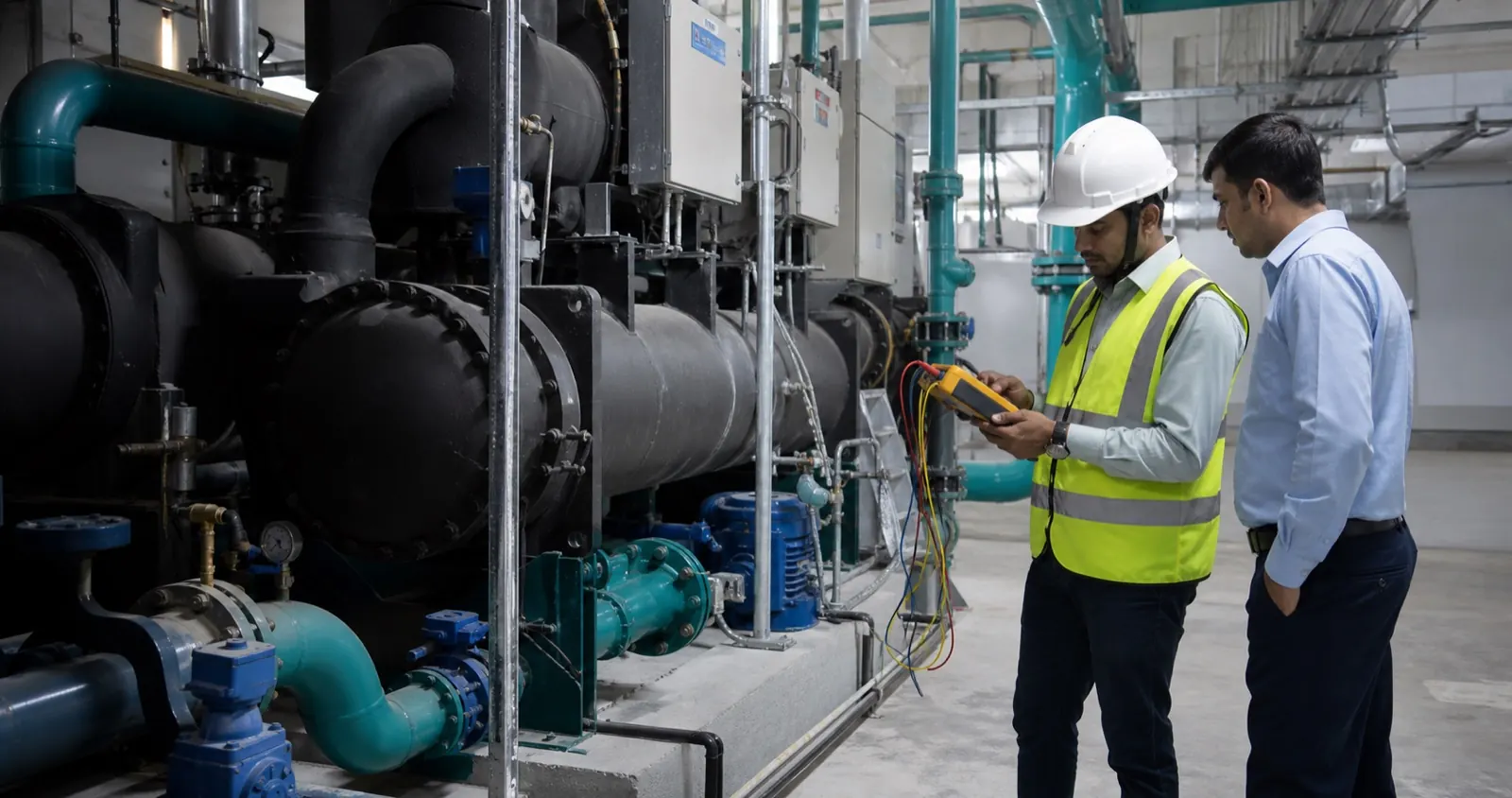
Power quality and harmonic analysis in Jaipur for trips, VFD or APFC stress, imbalance and THD, using a defined logging window and report scope.
Discuss the project inputsDirect answer
Symptoms set the scope. Repeated trips, capacitor stress, hot neutral conductors, unexplained equipment behaviour, voltage imbalance or heavy nonlinear loads can justify time-based power quality measurement.
One snapshot is rarely enough. The logging window should cover the operating states linked to the complaint, then the report can separate what was measured from what still needs investigation.
A percentage needs its voltage or current basis, location and operating state. The number alone is thin evidence.
Many disturbances are intermittent. Logging should cover starts, shifts and load changes tied to the symptom.
Filters and APFC changes need measured confirmation. Catalogue assumptions should not close the finding.
Technical view
Name the complaint first. A study built around nuisance trips needs different timing and event capture from one checking VFD harmonics, capacitor failures or persistent voltage imbalance.
Collect the history. Trip times, shift patterns, switching events and recent equipment changes can narrow a week of indiscriminate logging into a defensible measurement plan.
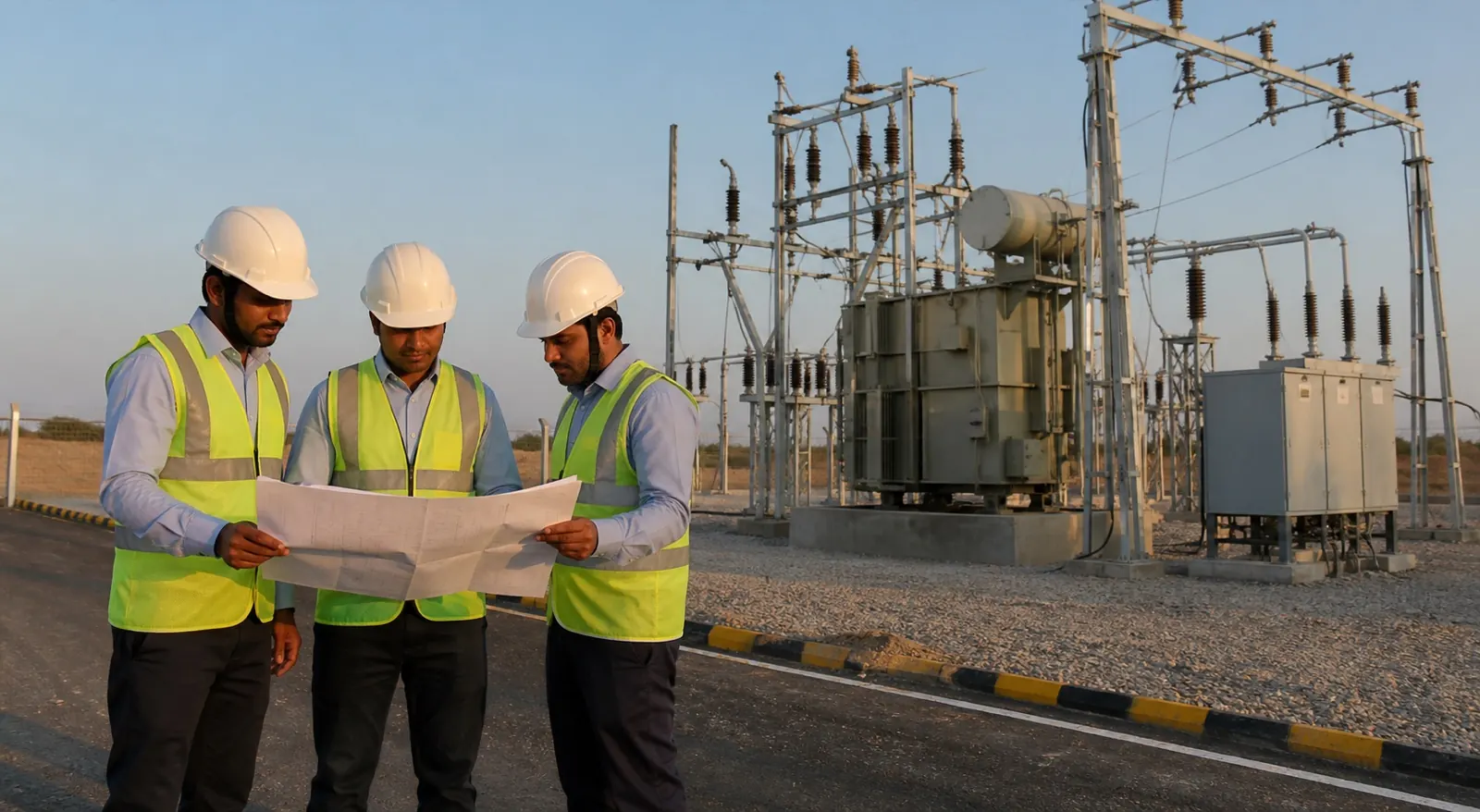
Use the single line. Source, main incomer, nonlinear load and affected equipment may require different points because upstream distortion and local current draw tell different stories.
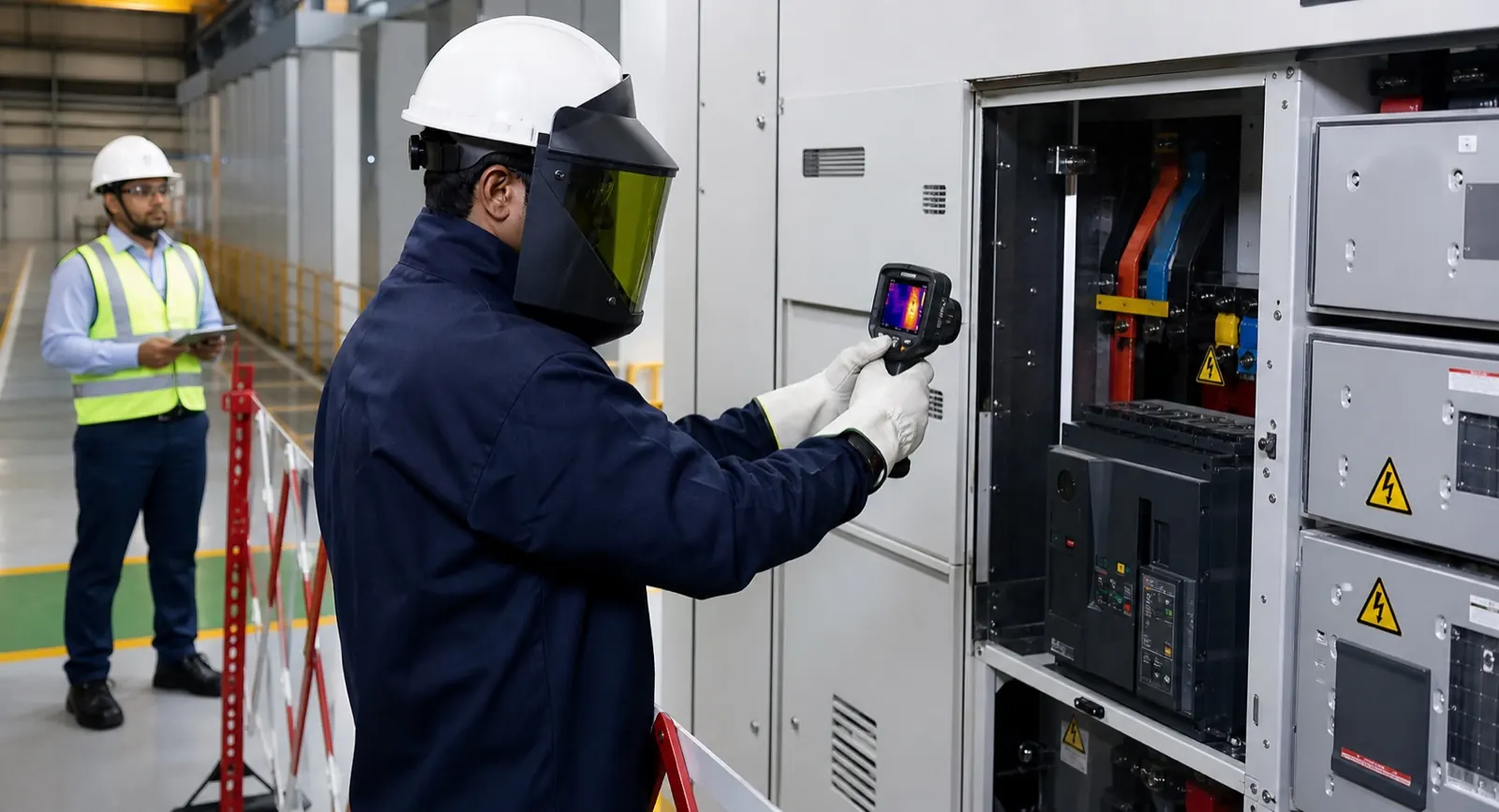
Safety controls the connection. Instrument rating, panel condition, access and the agreed isolation or live-work procedure must be settled before leads reach the bus or feeder.
Do not prescribe from THD alone. Filter, detuning, APFC or load-balancing choices require the measured spectrum, system arrangement, switching behaviour and the equipment that must coexist with the change.
Plan a check. The final scope should state how the chosen correction will be verified under the operating state that produced the original complaint.
Decision sheet
Tie the instrument to a question. Otherwise a long data file can arrive without a clear decision attached to it.
Working sequence
The work starts with a symptom. It ends only when the proposed correction has a measurement path back to the same symptom.
Collect trip history, affected equipment, timings and recent system changes.
Use the single line and load map to place instruments where the question can be separated.
Capture the states, starts and switching events associated with the problem.
Compare the changed condition with the original evidence under similar operation.
Questions that change the scope
Usually not for an intermittent problem. Location, spectrum, load and time all affect interpretation.
No. Power quality investigates electrical behaviour, while an energy audit centres on consumption, performance and saving economics.
It can support specification when the scope and measurements are adequate. The system arrangement and spectrum still need engineering review.
Long enough to capture the relevant operation. The complaint and production cycle decide the useful window.
Send the real inputs
Send the single-line diagram, symptom history, trip times, major nonlinear loads and operating schedule. We will identify the measurement points and useful recording window.
Send the requirement on WhatsApp