
Stated capability
3E lists electrical works up to 33 kV. The contract still defines the exact voltage, equipment and responsibility boundary.
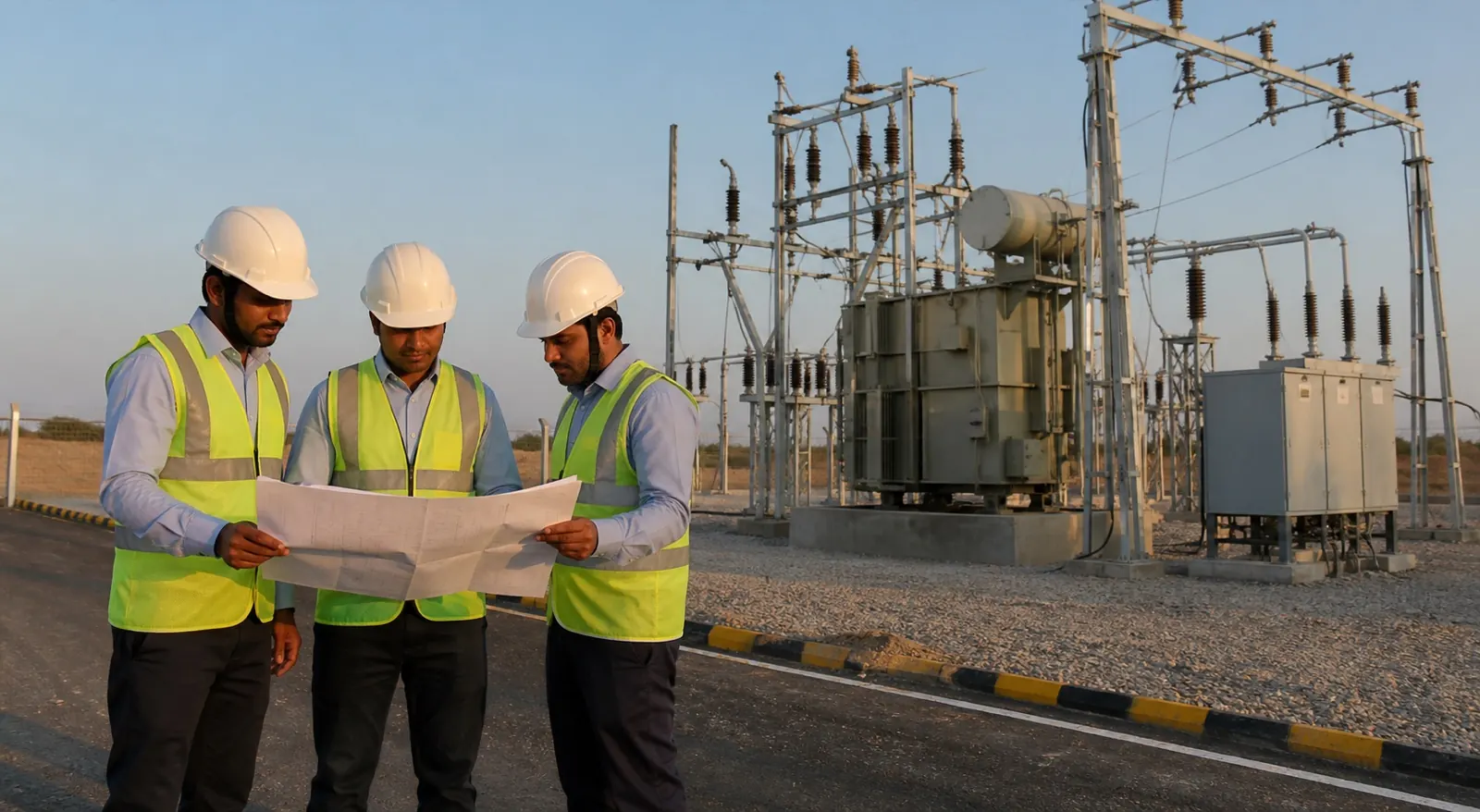
HT electrical works
33 kV substation and HT electrical work in Rajasthan, covering metering, RMU or switchgear, transformer and downstream interfaces by agreed scope.
Discuss the project inputsDirect answer
The boundary must be explicit. A 33 kV package can include the utility interface, HT metering, RMU or switchgear, transformer, cables, earthing and downstream connections where the contract assigns them.
Approvals are separate. Drawings, shutdowns, utility coordination, testing and statutory responsibility should be named instead of being hidden inside the word turnkey.
3E lists electrical works up to 33 kV. The contract still defines the exact voltage, equipment and responsibility boundary.
The single-line diagram ties equipment, protection and metering together. It should match the quoted package.
Factory, pre-energisation and handover checks need agreed witnesses and records before the programme starts.
Technical view

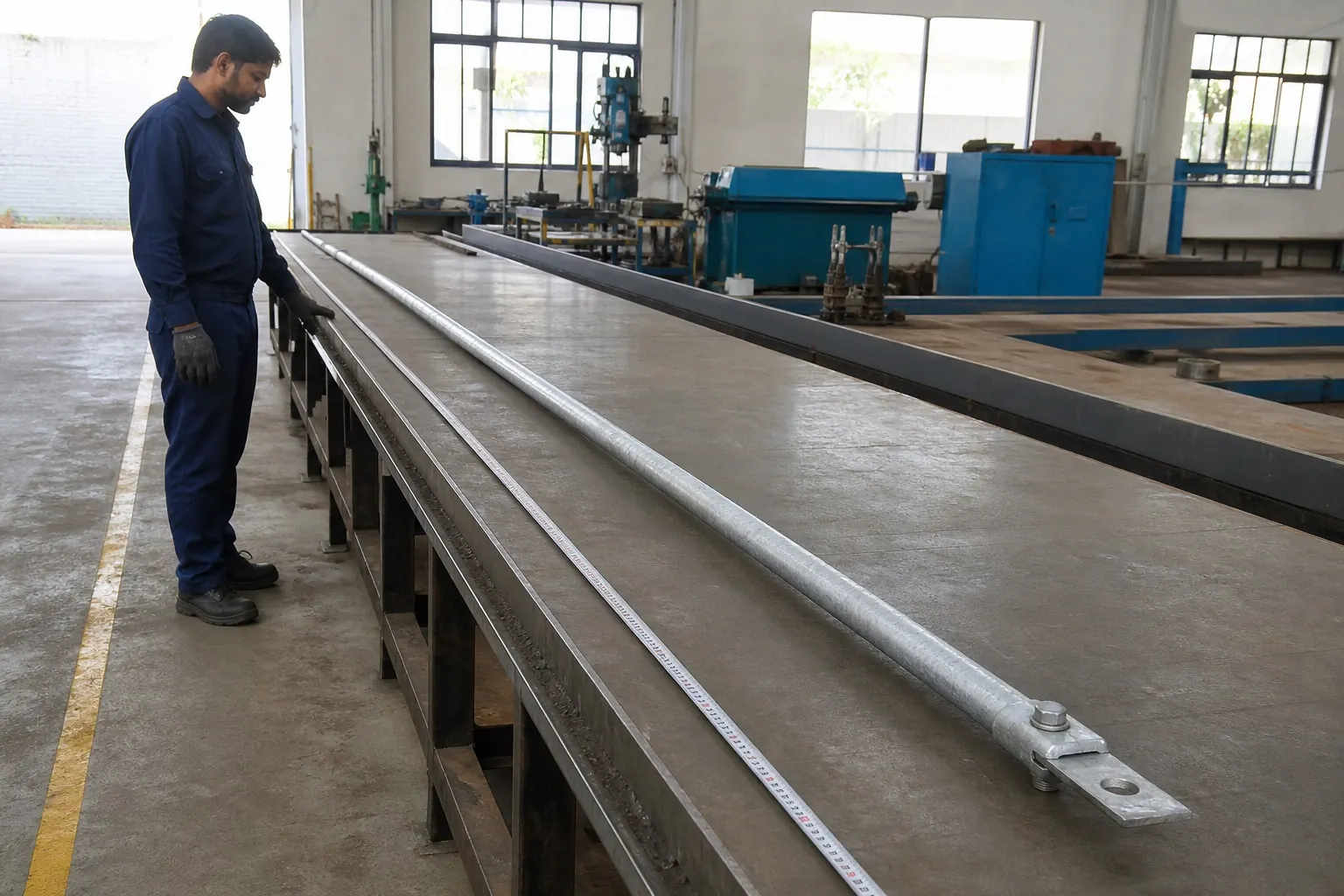
Draw the boundary. Utility termination, metering, protection, transformer, LV panel, civil foundations, cabling and earthing can sit with different parties on the same project.
List every interface. A missing gland plate or protection contact can delay energisation as effectively as a missing transformer, though it looked minor during tender review.
Start early. Drawing approvals, equipment data, utility inspections, shutdown applications and witness requirements can control the programme more than physical installation time.
Build the test pack as work proceeds. Equipment certificates, settings, cable results, earthing records and punch-point closure are harder to reconstruct after energisation.
Routes cross disciplines. The earth grid, equipment bonds, trench, cable tray, control wiring and fence interfaces need one coordinated view before foundations and trenches become fixed.
Keep evidence model-specific. A CPRI-tested electrode may satisfy one material requirement, but soil data, fault duty and the approved grid remain project design inputs.
Decision sheet
A useful enquiry reads like a boundary document. It lets bidders price the same work and expose assumptions before award.
Working sequence
The order can vary by contract. The hold points should not.
Align the single line, equipment list, civil scope and utility responsibilities.
Close drawings, data sheets, protection inputs and interface details before procurement.
Record equipment, cables, earthing and route inspections as the work advances.
Complete agreed tests, punch points, settings and documents before energisation closure.
Questions that change the scope
No. The proposal must define design, supply, civil, installation, approvals and energisation responsibilities.
Only as an assumption. Soil data, fault duty, layout and utility requirements still control the design.
No. Liaison and statutory responsibility should be explicit contract lines.
Share the single line, load or sanction data, site layout, utility correspondence and expected project boundary.
Send the real inputs
Send the single-line diagram, site layout, sanctioned-load information, equipment list and utility correspondence. We will mark missing scope and approval interfaces before quotation.
Send the requirement on WhatsApp